
Running a business is challenging. The COVID-19 pandemic amplified the struggle and many business owners had to get creative with how they reached their customers. For Kathmandu MoMoCha, it was making a switch to selling frozen dumplings that kept them afloat. Our Small Business Capital Access Program, which owner Suroj Dangol used to purchase a food truck, helped make the pivot possible – allowing Dangol to deliver those frozen dumplings.
“At that time, we needed the help and the Capital Access Program came at the perfect time,” Dangol explained. “That helped our business keep moving.”
CAP provides financial assistance in the form of principal paydowns on eligible loans and other financing options. We partner with community lenders to cover up to 20% of the principal or $30,000, whichever is lower. This program creates more opportunities for small businesses, especially those that haven’t had equitable access to financial services. The access to capital allowed Dangol to focus on his business and share his passion of introducing Nepalese food to Seattleites.
Kathmandu MoMoCha began in 2017 after Dangol and his wife moved to Seattle and struggled to find momochas or momos, a popular style of dumping in Nepal, Tibet, and the regions across the Himalayan Mountains. They tried different restaurants, but Dangol says his wife just couldn’t find momos like the ones they grew up eating. So, they came up with a plan.
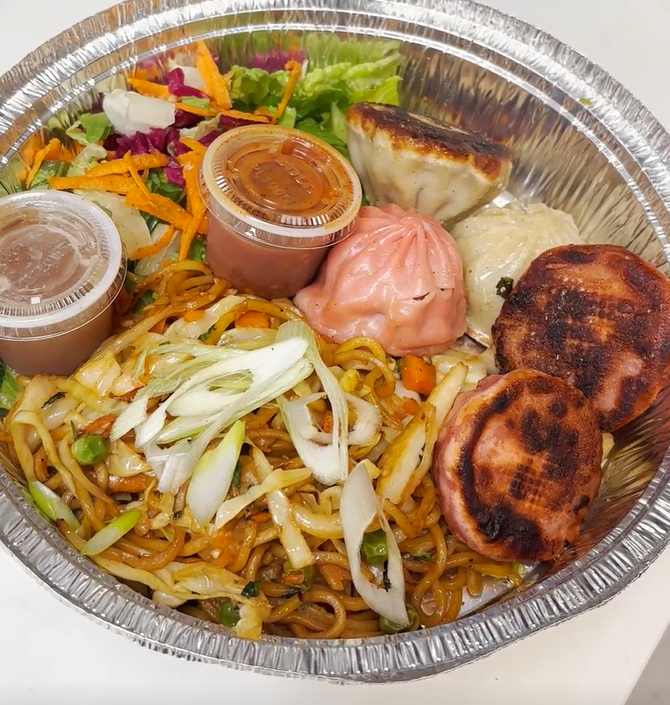
“Rice, lentil, and curries are very easy to make everywhere and at home. Momos are the toughest one,” said Dangol. “We thought this will be a great opportunity. People won’t have to spend a lot of time making the momos, they can come by and get our momos.”
They started small, selling at farmers’ markets under a 10×10 canopy. The menu consisted of two options for dumplings: chicken and vegan. Dangol was working a full-time job and running Kathmandu MoMoCha on the weekends. Soon they were selling more dumplings than they could bring to the markets.
The business continued to grow. Dangol said they bought a food truck in 2019 because they couldn’t bring enough dumplings to the markets – they kept selling out. As they grew, Dangol was hit with the challenge of navigating the pandemic shutdowns.
“At the time there was no business, no income, nothing. Our food trucks were built, but we cannot serve the food,” he said. That’s when he reached out to our office to learn more about CAP. Dangol utilized the program to help pay down a loan for working capital and the first food truck, which he says helped sustain the business.
“We got the support and we bought a van, so we started delivering frozen dumplings door-to-door and we went from there,” he explained. “We got a street corner and posted on Instagram, ‘Okay, we will be at that corner. Anyone who wants frozen dumplings, we’ll be there.’ Someone ordered online, we’d deliver to their home. That’s why we stayed in business.”

Dangol continues to grow Kathmandu MoMoCha. He now operates four food trucks and opened a brick-and-mortar restaurant in South Lake Union in the fall of 2022. And frozen dumplings are still on the menu, along with a variety of Nepalese offerings ranging from various types of momos to noodle dishes.
But when you talk to Dangol about his journey as a business owner and the challenges he’s overcome along the way, one thing is clear: he’s just happy to share a taste of home with the community.
“I got an opportunity to introduce a cuisine from Nepal. All you see in Kathmandu, wherever you go, is momocha on every corner,” he said. “I got an opportunity to introduce that here in Seattle, and that makes me very happy.”
Part of our office’s core purpose is leading projects and making investments that reduce the racial wealth gap. Our Small Business Capital Access Program provides access to affordable financing options for business owners who have been systematically excluded from traditional funding sources. By offering underserved communities these financial opportunities, we’re closing the gap and giving them a chance to succeed – while supporting their business growth and stability. To date, CAP paid down $8 million in loans, making $36 million available for 389 businesses.