
Hi all,
I’m incredibly proud of what our office accomplished in 2025. Despite the headwinds of tough economic times, uncertainty in trade, and a host of other challenges, we’ve made meaningful progress toward building a more inclusive, innovative, and resilient economy. We did it through deep collaboration with our state and local government partners, business and community partners, across City departments, the Seattle City Council, and with stakeholders from neighborhoods throughout the city.
From advancing the Mayor’s Downtown Activation Plan to supporting our 11 Business Improvement Areas, we’ve focused on investments that create opportunity and vibrancy across Seattle. We’ve strengthened our workforce development strategy, rooted climate innovation and AI through new hubs, and continued to support Seattle’s small businesses through the Back to Business program. Programs like the Tenant Improvement Program have helped small businesses grow and thrive in place, while Seattle Restored provided others a launching point to open a brick-and-mortar business – all while we helped fill vacant storefronts. I am also proud of the dedication, creativity, and heart of our team that worked on the items you’re going to see on the following pages. They’ve shown up with purpose and delivered real impact for our communities. I’m excited for what we’ll build together in 2026.
Markham McIntyre
Seattle Office of Economic Development Director
Working to solve economic problems
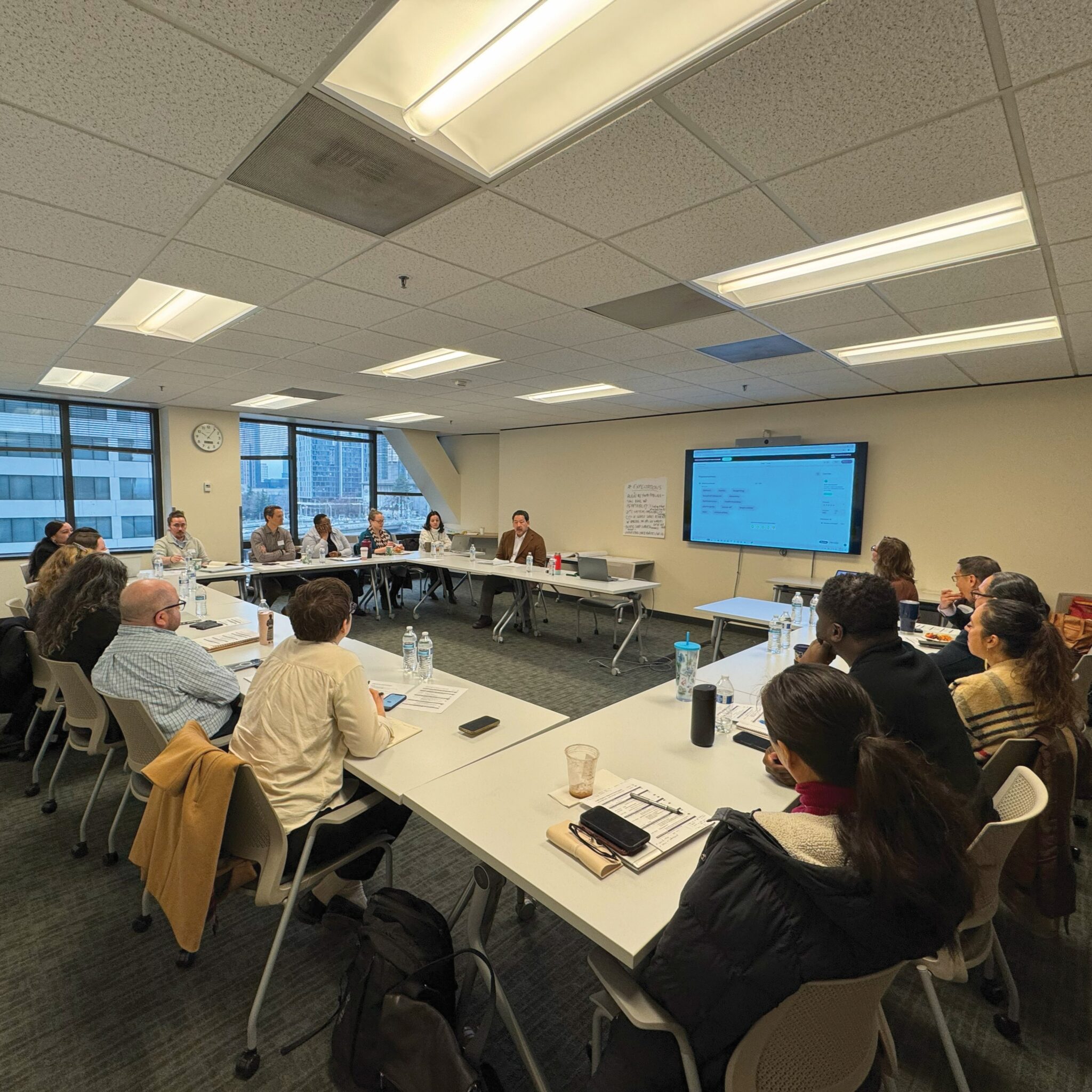
We convened the Small Business Policy Group, where we heard from entrepreneurs about the challenges they face, ranging from rising costs to public safety issues. Based on the group’s recommendations, we introduced changes to simplify and reduce the cost of running a business.

We partnered with SDCI on the Small Business Expediting Program to help cut red tape for small businesses across the city. Projects that received assistance had permits reviewed and issued 57% faster, leading to more open businesses and more vibrant neighborhoods. This year, 62 businesses participated in expedited permitting. We crafted and passed legislation that makes it faster, cheaper, and easier to open a business, filling vacant commercial spaces. The City now exempts small commercial spaces less than 7,000 square feet from “substantial alteration” requirements, which could require expensive, building-wide upgrades. We’ve also removed vacancy alone as a trigger for these requirements.
Back to Business Program
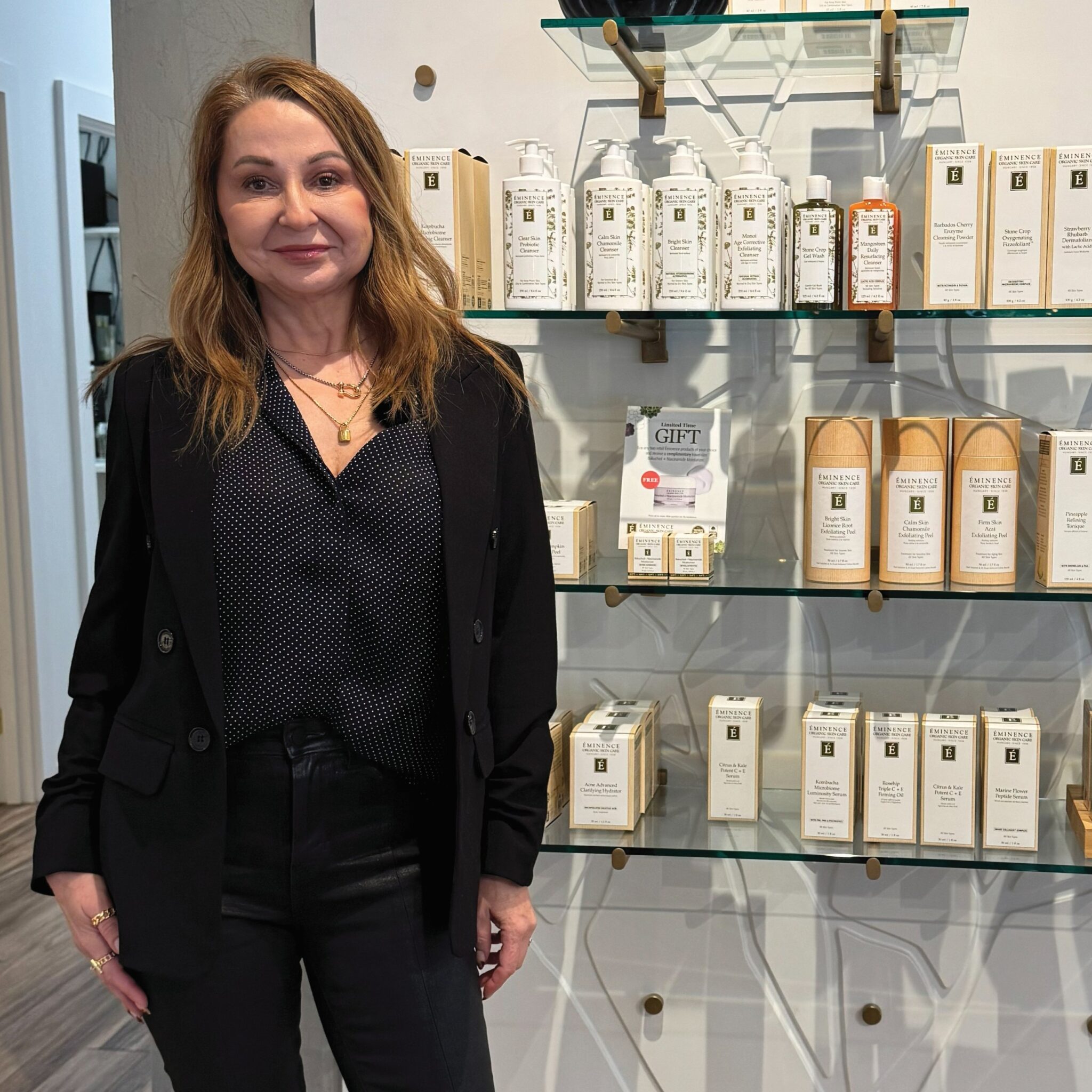
This program helps businesses overcome the financial challenges that come from repairs after vandalism or property damage through reimbursements for the cost of repairing damage or measures to prevent future incidents. We also worked with Business Improvement Areas and neighborhood organizations to fund projects that improve public safety and make neighborhoods more welcoming across Seattle. In 2026, the program will be expanded with an additional $3.3 million in funding.
$395,000 in funding awarded to 194 businesses
$350,000 in neighborhood investments
“Being a small business owner, it’s a roller coaster. It’s very emotional. It’s nothing glamorous. But programs like [Back to Business] and the support we got, that helps us keep going.”
Claudia McGinnis, co-owner of Sugar Sugar Spa
Building vibrant neighborhoods
The real estate continuum is an important part of our work to create economic opportunities and reduce the racial wealth gap. From pop-ups to sustaining traditional models for ownership, we’re focused on helping businesses grow and stabilize – fostering diverse and vibrant business districts.
Tenant Improvement Program

The TI Program helps small businesses by reducing the financial burden needed to make commercial space improvements, allowing businesses to stabilize and grow. The program supports businesses citywide, emphasizing viable businesses who need support with essential equipment or to make their space usable.
This year, we awarded more than $1.7 million to 45 businesses for equipment, signage, and construction.
“It makes my heart sing every time I go to the windows. It gives the building more credibility. It’s not just an old building, it’s a functioning old building.”
Jan Johnson, Panama Hotel owner, used the TI Program to restore the original windows.
Seattle Restored
Our Seattle Restored program continues to grow, partnering with property owners to transform vacant commercial spaces into pop-up shops.

The expansion into Lake City created space for pop-up shops, artist residencies, and a commercial kitchen for food businesses. In Downtown, the program subsidized rent for 15 artists at Base Camp Studios 2, located in the historic Bergman Luggage Building. We also partnered with Pacific Place to launch five pop-up shops, utilizing vacant storefronts within the mall. Downtown saw a number of pop-ups, including Pan de La Selva and Seattle Fat Mall.
“This is like a springboard to get me to my next space. Seattle Restored has done everything possible to put me in a position to succeed.”
Jonathan Hudson, owner of Mama Row’s Caramel
Small Business Capital Access Program
We work with community lenders to provide financial assistance in the form of principal paydowns on eligible loans and other financing options. This program creates more opportunities for small businesses, especially those that haven’t had equitable access to financial services.
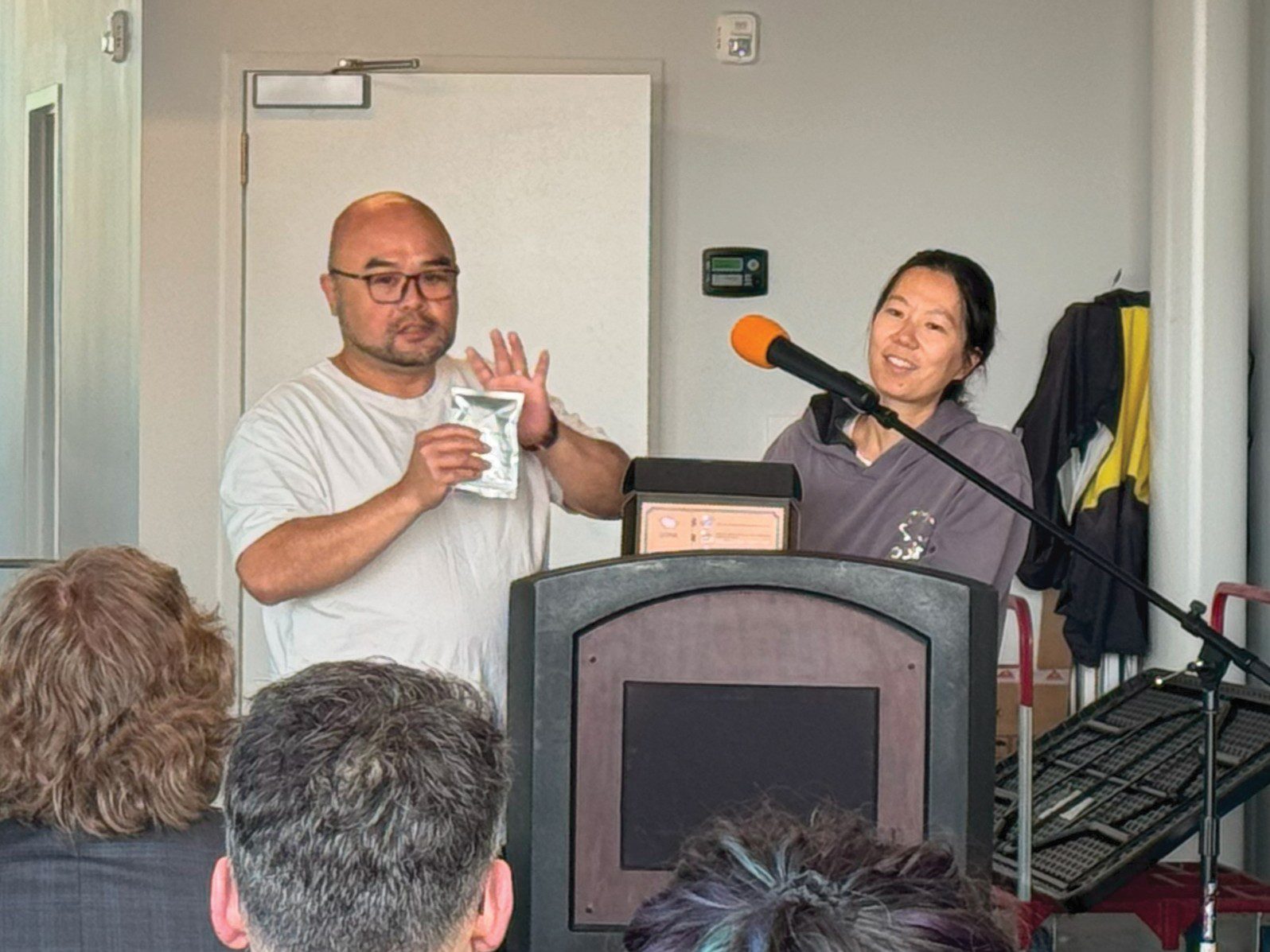
To date, CAP paid down $8 million in loans, making $36 million available for 389 businesses.
“The capital gave us time to think out of the box to figure out where there is more opportunity.”
Jiaxin and Chong Ooi, owners of Ooink say CAP helped lower their monthly loan payments, allowing them to expand.
Supporting Business Improvement Areas
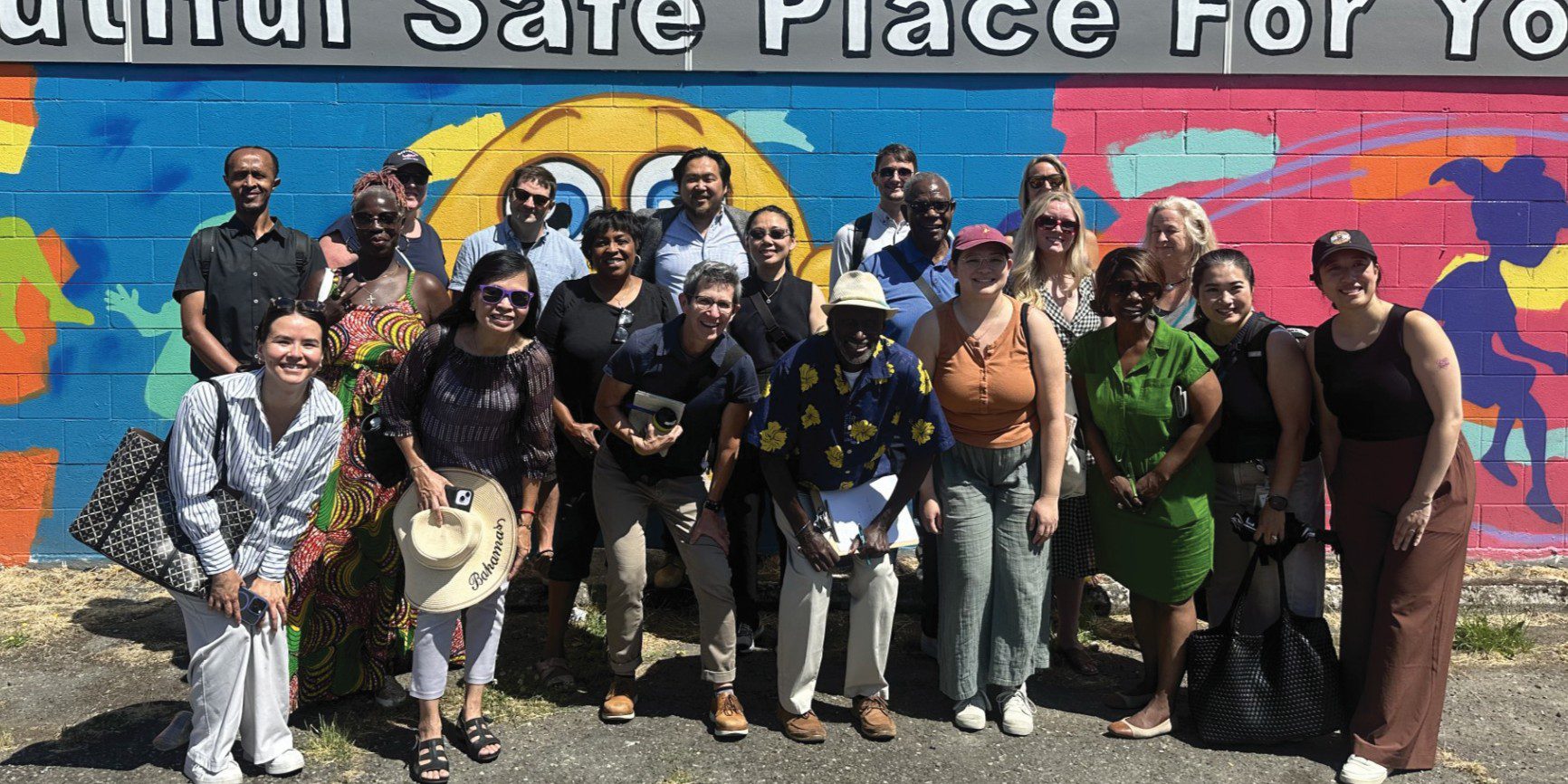
This year, we continued work to help guide more neighborhood business districts towards becoming Business Improvement Areas. Ratepayer assessments fund services and programs tailored to the unique needs of each district. These organizations are vital to Seattle’s neighborhoods because they help improve safety, bring community together, upgrade public safety, and promote local businesses.
- 11 BIAs formed
- 6 neighborhoods explored BIA formation
“It’s like a potluck where everybody brings a dish to the party. It can be a bowl of rice, or it could be a charcuterie board, but everyone gets to eat.”
Tuyen Than, executive director of the CIDBIA
Powering industry and job growth
Alongside industry leaders, we saw a need for central, physical locations for collaboration and networking in growing industries, and with our partners, launched two new incubators, as well as focused M5 Creative into a dedicated space for the film industry.
AI House
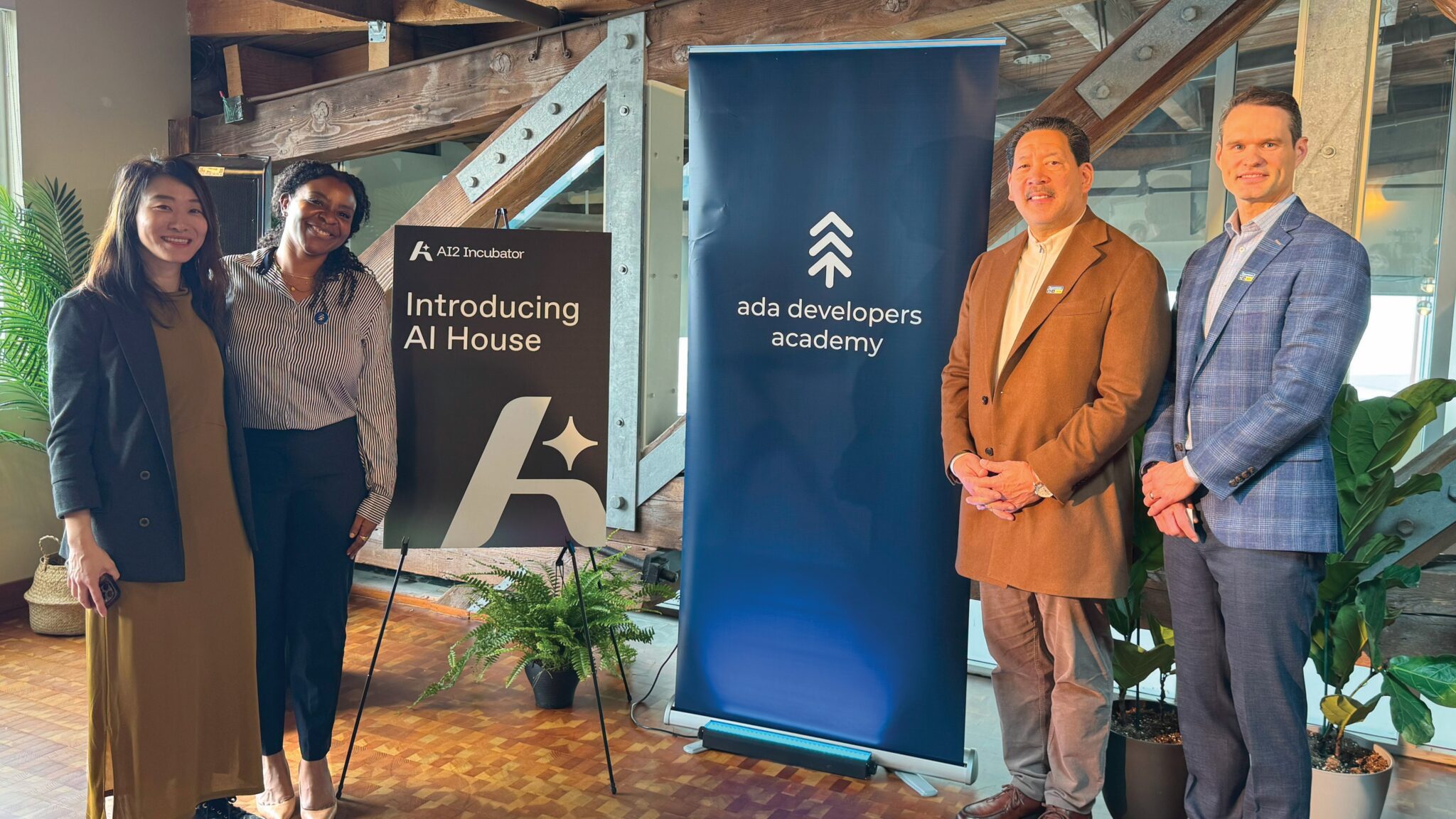
We partnered with AI2 Incubator and Ada Developers Academy to open AI House, the first-in-the-nation AI hub for founders, startups, investors, and community leaders building the next era of AI. The space at Pier 70 provides a co-working space, a gathering space for events, and collaborative tools for founders creating AI-focused companies.
- 21 AI startups actively working out of AI House, raising $34 million in capital.
- 59 teams formed and nurtured within the AI House ecosystem.
- 85 events hosted, fostering connections and learning for nearly 8,000 people.
Seattle Climate Innovation Hub
The SCIH is the first Downtown space dedicated to investing in and designing technology to combat climate change. Developed in partnership with the University of Washington’s CoMotion Labs, 9Zero, and VertueLab, this hub is a nexus for innovators and early-stage entrepreneurs focused on tackling the climate crisis and expanding the region’s green technology sector.
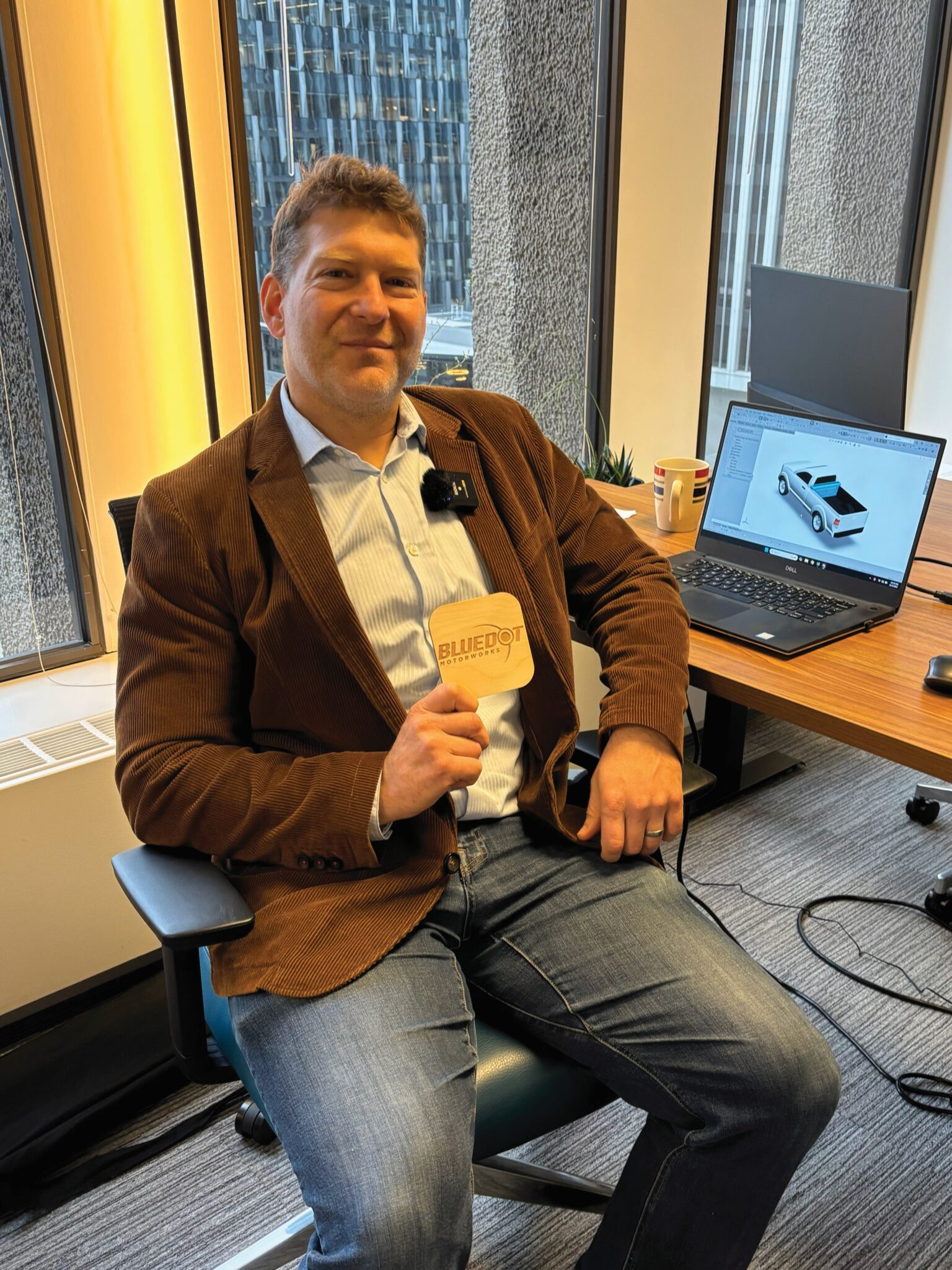
First cohort of six companies focused on biomaterials, digital energy, and aerospace.
“As a first-time startup founder, I’m not coming into this with a huge network. Being in a place where being visible gets you exposure to investors, startup resources, small business resources, and City resources is super valuable.”
Tom Gurski, founder and CEO Blue Dot Motorworks
M5 Creative
We continued the activation in the former Cascade Public Media Building on the Seattle Center campus. By providing a film-centered space for filmmakers to convene and work, we helped attract, grow, and keep film production in Seattle.
- 22 film productions filmed
- 27 industry workshops and events
- 13 creative industry tenants leased offices, including a Paramount Pictures feature film
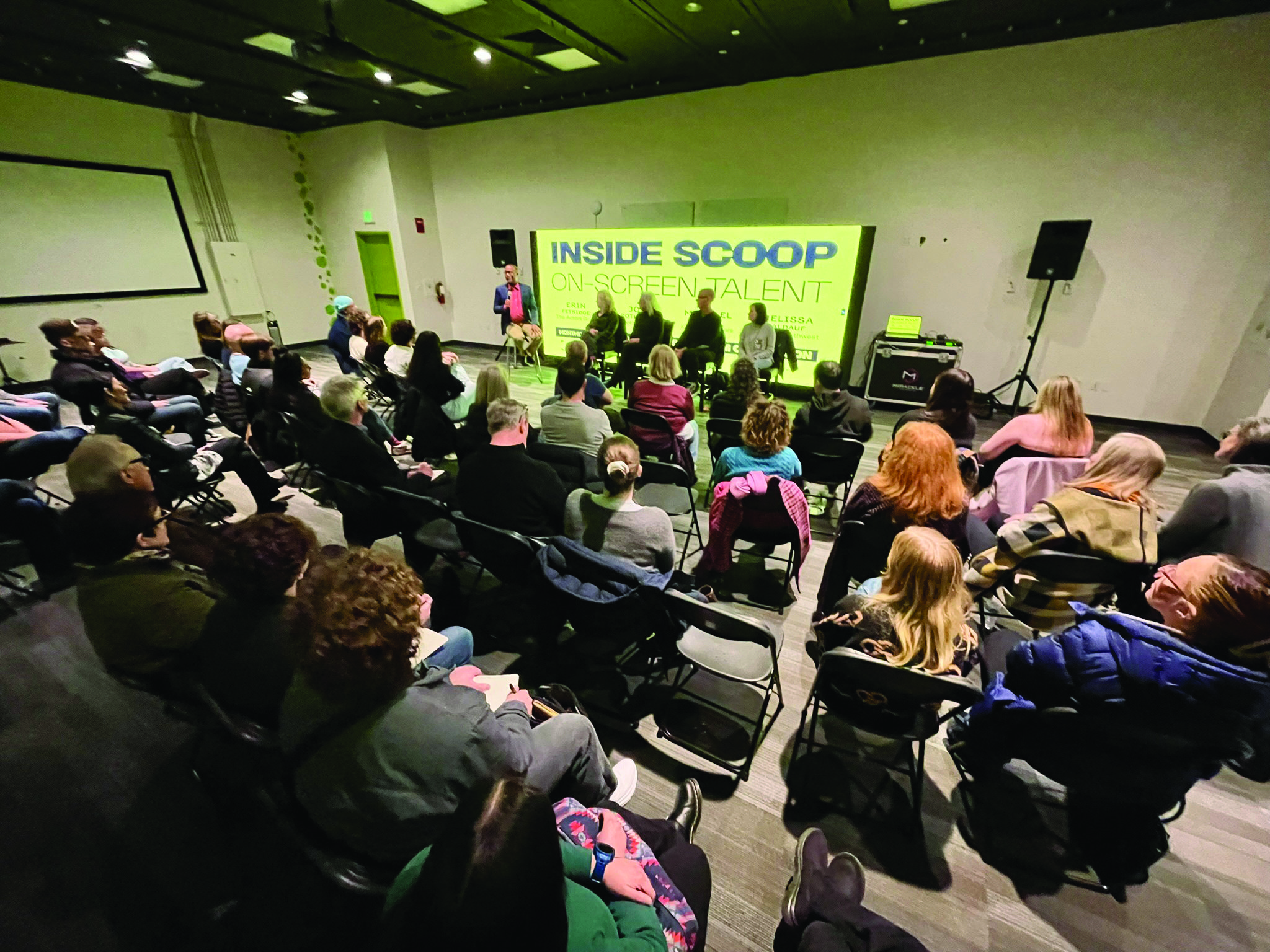
“M5 Creative is key to securing film production work as it’s a low cost, turnkey resource where the production can support upwards of 100 cast and crew coming to the space at various times during production.”
Amy Lillard, executive director of Washington Filmworks
Workforce development
We led teams across departments to create a citywide workforce development strategy. The goal is to align workforce investments and create clear career pathways in growing fields like trades, green jobs, and other in-demand sectors, focusing on opportunities within the City of Seattle. The plan includes designs to help jobseekers access good-paying jobs in utilities and skilled trades that don’t require a bachelor’s degree, offer training, and have opportunities for growth.

Behind the scenes: Film and special events
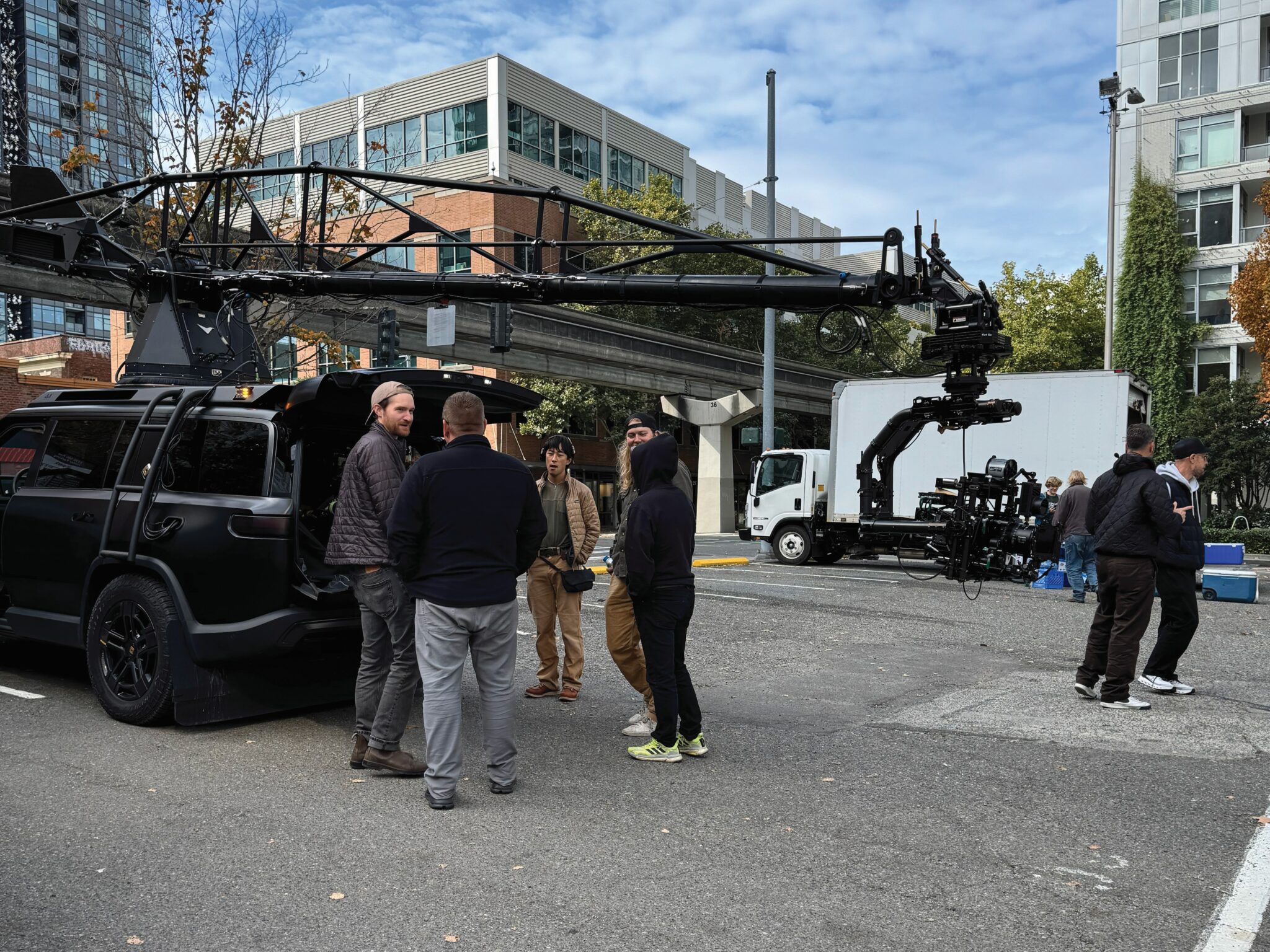
Film Program:
- 354 film permits issued
- 3,995 local cast and crew hired
- 611 total filming days
- 646 public locations filmed citywide
“One of the best things about working in Seattle, in my experience, is the incredible crew members. The camaraderie that we have on all these shoots, it’s impeccable.”
Jimmy Canavan, Cheap AF location manager
Special Events
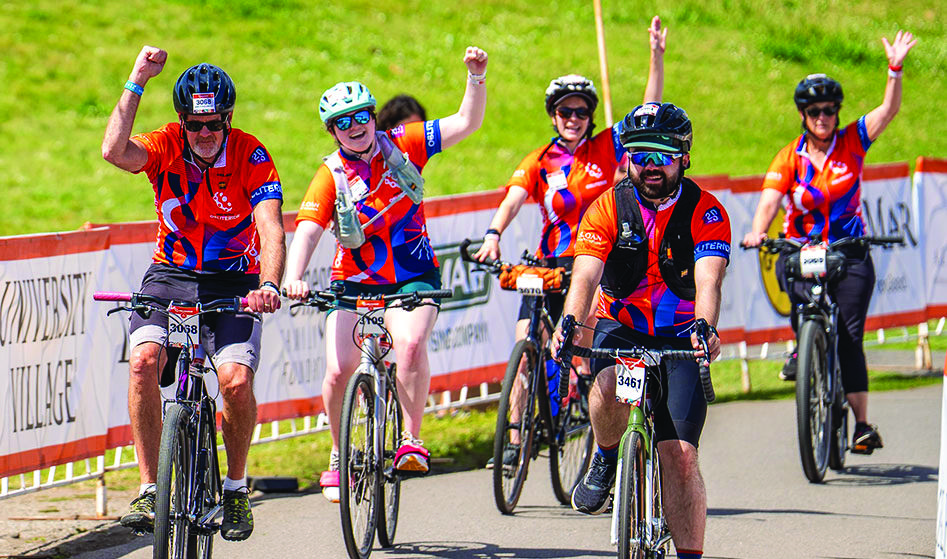

We launched Eproval, an online platform that streamlines special event permitting by replacing the previous PDF application process. This update addresses recommendations from the 2017 City Auditor’s Report and the 2024 Race and Social Justice Fee Analysis.
- 367 special events permits issued
- 2.5 million estimated total attendance
“We would like to extend our sincere gratitude to you and the entire Special Events team… Your timely assistance and direction played a vital role in ensuring the smooth and successful execution of our event within such a short timeframe.”
Washington Telangana Association
Downtown Activation Plan
Downtown remains the economic engine for the region and the state. In the second year of the DAP, we saw real, visible, and measurable progress.
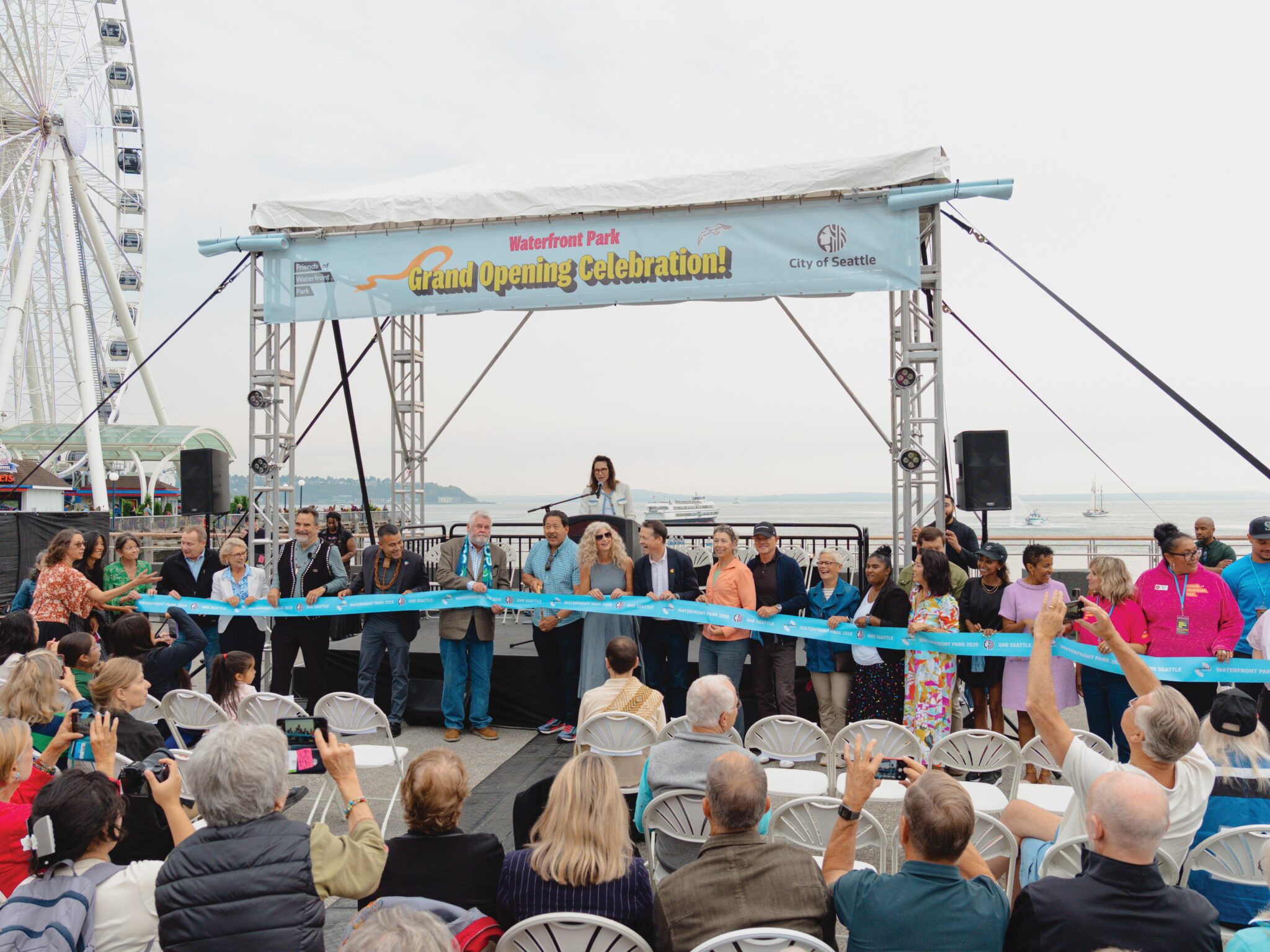
A project years in the making, the newly transformed Waterfront Park opened in September – connecting Downtown to Puget Sound. The redesign includes new art installations, bike lanes, and a playground.
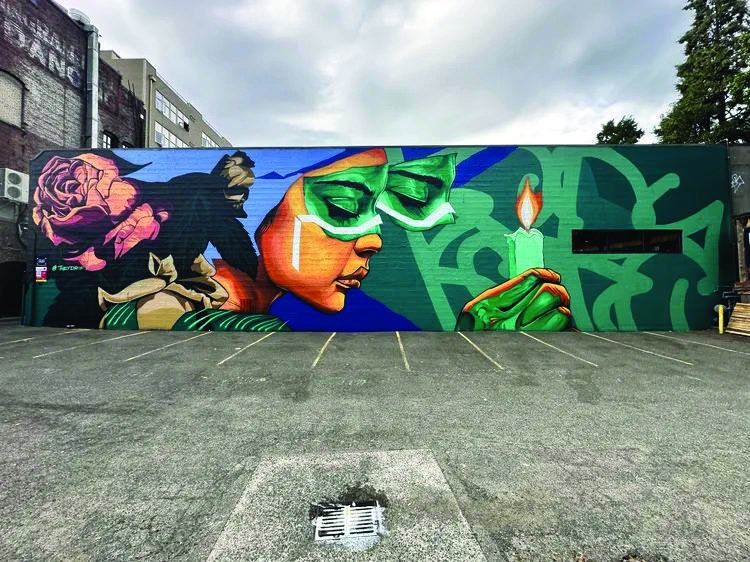
Just up the hill, Belltown came alive with the second annual Mural Festival, transforming blank walls into vibrant canvases. More than 20 artists were paid to create 14 new murals.
And in the Chinatown-International District, a new Ambassadors Program launched this summer, thanks to a $1 million public-private investment. These neighborhood stewards are helping make the C-ID safer, more welcoming, and more vibrant.
Downtown is a true Sunday to Sunday neighborhood with more uses than ever before. More than 60,000 apartments occupy Downtown, a 20% increase since 2019.
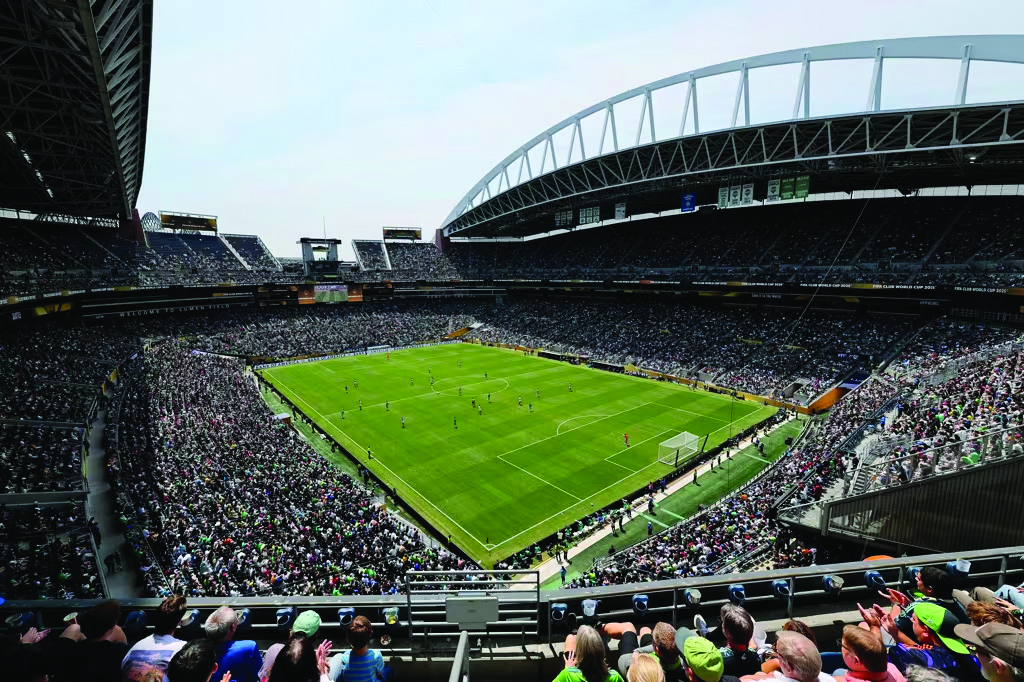
Seattle is in demand on the global stage, the 2025 Club World Cup brought fans from around the world, and we get to do it all again with the 2026 FIFA Men’s World Cup.
This is what the Downtown Activation Plan looks like in action: Art, business, culture, and community all working together to reimagine our city’s core. There’s still work to do, but the progress is real – and it’s worth celebrating.
“My kids now want their friends to come down and play on the new playground [on Pier 58]… they’re so proud that this is our backyard.”
Emily George, a longtime Downtown resident, says her family has noticed significant improvements in the area over the past two years.