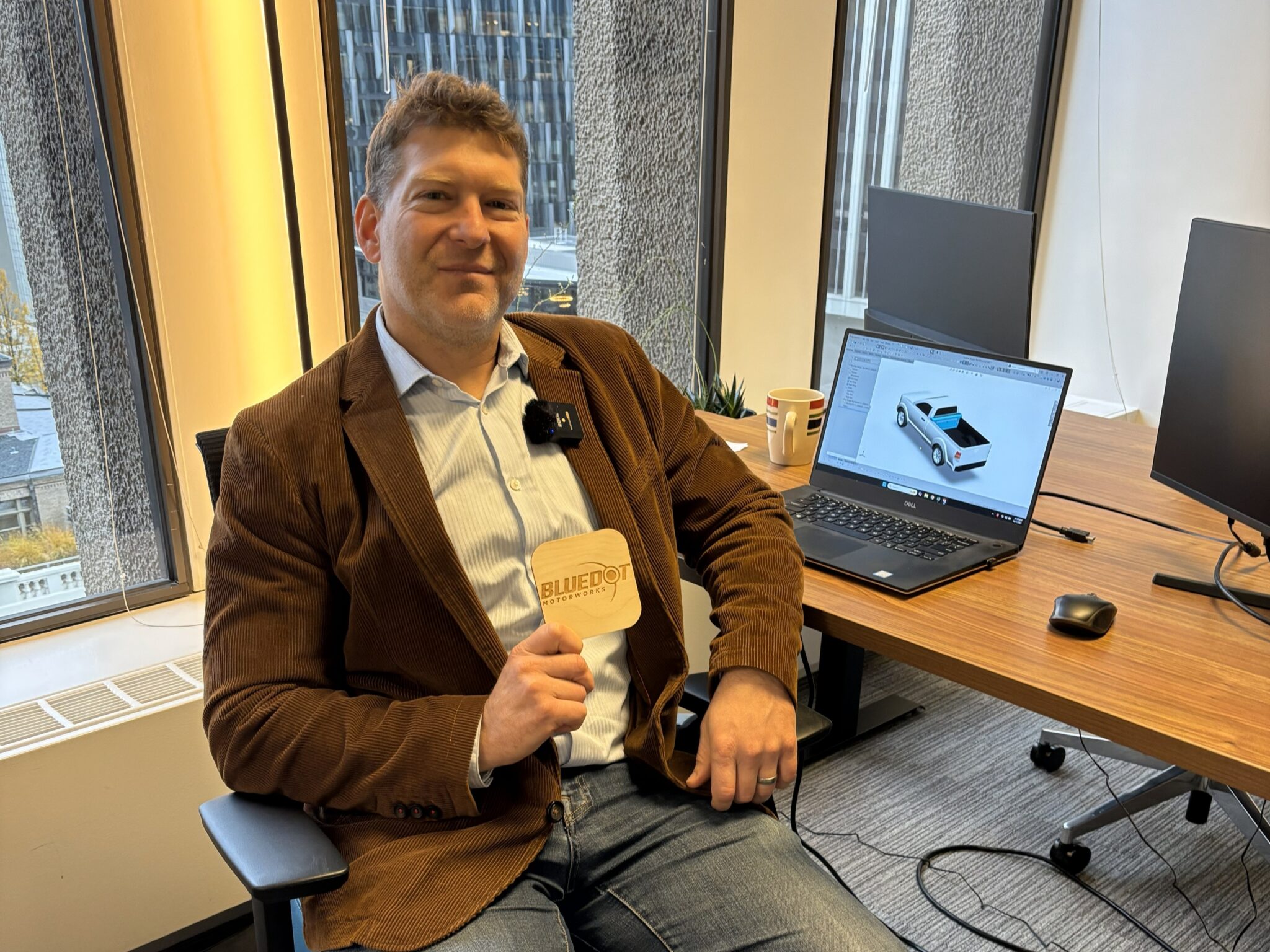
Nestled in the Financial Center in Downtown Seattle, there’s a space dedicated to solving one of the world’s biggest problems: combating climate change. The Seattle Climate Innovation Hub is the first Downtown space dedicated to designing and investing in climate tech – technologies and services aimed at reducing carbon emissions and making our infrastructure more resilient.
One of the ways we are shaping Seattle’s economy to make it more equitable, prosperous, and competitive is through projects and investments that encourage innovation and growth. We partnered with the University of Washington’s CoMotion, 9Zero, and VertueLab to create a welcoming space, giving these entrepreneurs a way to collaborate and innovate together – creating solutions that will impact Seattle and the world.
The ability to utilize the space as a first-time startup is providing Tom Gurski with resources he says he wouldn’t be able to access on his own.
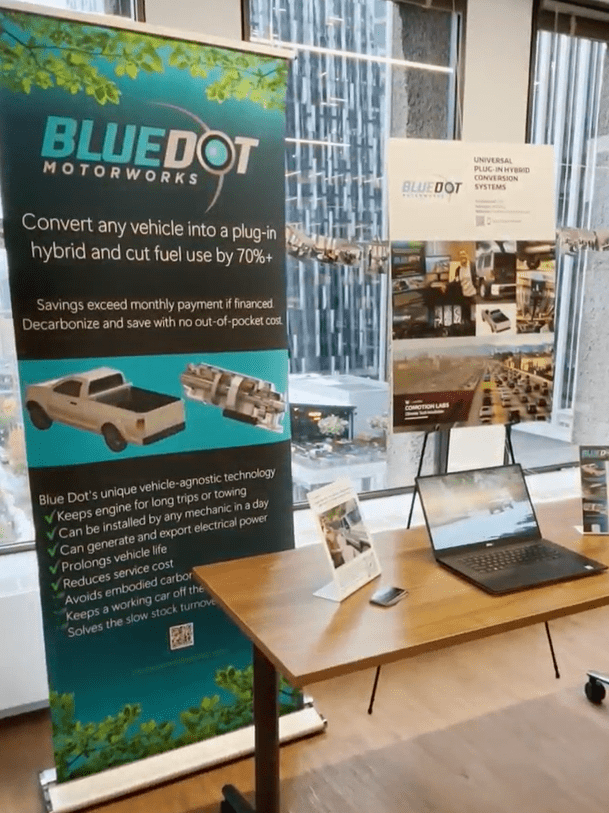
Gurski is the founder and CEO of Blue Dot Motorworks, which produces a cost-effective way to electrify existing cars, cutting their emissions. The idea came to him several years ago while driving a Jeep every day, getting 15 miles to the gallon. He knew it wasn’t good for the environment but wanted to do “Jeep-y things” on the weekend.
“It occurred to me that this product worked well for me and that I probably wouldn’t be the only one,” he explained. Around this time, Gurski founded an engineering and product development consultancy with the goal of developing technology that could evolve into its own startup. He said this idea felt like a good candidate.
Now he’s part of the CoMotion Labs Climate Tech Incubators. Six companies, including Blue Dot Motorworks, make up the inaugural cohort. Through the program, companies receive support and mentorship to grow their business.
“There’s so much you don’t know coming into starting a startup for the first time that you’re just absorbing so much,” said Gurski. “It’s been incredibly educational.”
The support goes beyond the Incubator’s curriculum. Gurski says the Climate Hub is not just a working space, but a place to be around like-minded folks and to collaborate. It’s also helping him, as a first-time founder, make valuable connections.
“I’m not coming into this endeavor with a huge network of people that I can draw on who are in the startup space. Being able to be in a place where being visible gets you exposure to investors, and startup, and small business resources is super valuable,” he said.
“It’s important to support startups like Blue Dot Motorworks because the growing impacts of climate change require novel solutions to decarbonization,” said Vin Valentino, Seattle’s Key Industries and Workforce Development Manager. “The Climate Hub allows innovative climate solutions a place to percolate and grow, furthering our local green economy.”
With our partners, we developed the Climate Hub based on feedback from entrepreneurs, researchers, and businesses. They expressed a need for a central place where innovators can meet, network, and develop businesses and technologies that will change the world. In addition to UW’s Climate Tech Incubator, 9Zero builds community through a co-working and event space, while VertueLab manages the Climate Impact Fund, making strategic investments in early state climate tech startups.
“The Climate Hub has really become the epicenter for climate-related activities in Seattle,” said Gurski. “Being able to come here and get out of our little isolated shells and attend the programming and events, it’s just a great way to stay tapped into the network.”
As the Climate Hub continues to incubate, support, and nurture climate tech, Seattle remains the best place in the nation to develop the technologies and businesses that will combat climate change. We have a unique workforce to support both invention and manufacturing, deep-water ports to export these ideas globally, and some of the most ambitious climate policies to help local companies scale.