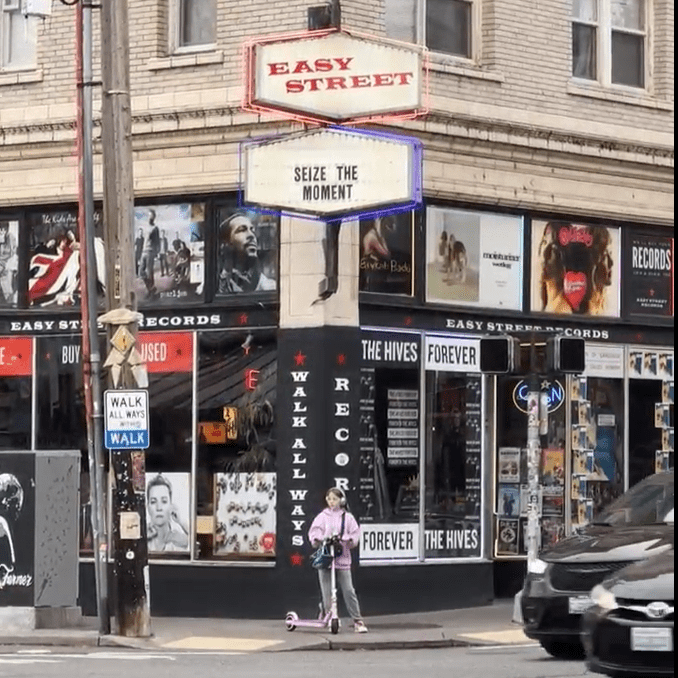
Many things contribute to the unique character or a neighborhood: the local shops and restaurants, annual events, and the special landmarks. In many Seattle neighborhoods, Business Improvement Areas are often the on-the-ground support maintaining those special qualities.
There are 11 BIAs in Seattle, each formed by local businesses and organizations within their boundaries. Ratepayer assessments fund services and programs tailored to the unique needs of each district.
While BIAs form and fund themselves through assessments, the City of Seattle partners with them in their work. We provide oversight, technical assistance, policy support, and serve as the liaison between BIAs and city departments. The City doesn’t run BIAs, communities do. We ensure the model operates with transparency and fiscal responsibility. Without a BIA, many business districts rely on grant funding and volunteers.
“BIAs give local businesses and property owners a way to team up and take care of their neighborhood. They get to establish sustainable funding for what their community needs – which helps these districts thrive and reflect the community,” said Casey Rogers, Business Districts and Policy Advisor.
BIAs are a community-driven means of allocating resources and services for business districts. They are created and managed by the local businesses and property owners who fund them. Everyone in the district contributes their fair share, and the collected funds are used to provide services that benefit the entire area.
“It’s like a potluck where everybody brings a dish to the party. It can be a bowl of rice, or it could be a charcuterie board, but everyone gets to eat,” said Tuyen Than, Executive Director of the Chinatown International District Business Improvement Area.
Each BIA has its own ratepayer’s advisory board, which sets the rules and makes decisions on programs and services, budgets, goals, policies, and staffing. The City helps the BIAs by collecting the assessments and reimbursing the BIA for its monthly expenses. We also work directly with the BIAs to help deliver services that help small businesses and the neighborhoods they serve.
“Because they are strong organizations who know the ins and outs of their communities, BIAs make great neighborhood partners. We are constantly connecting with these partners to get insights on the neighborhoods that we wouldn’t otherwise know from our vantage point,” explained Rogers.
When it comes to the services a BIA provides, it’s not a one-size-fits-all program. Each BIA is responsive to the needs of the communities they serve.
“Our BIA was originally set up to protect parking, but over the years, its grown,” said Chris Mackay, Executive Director of the West Seattle Junction Association. “Our job is to make sure the area is clean, it’s safe, it’s vibrant, and that the businesses feel like they have the support they need.”
WSJA delivers on that work in many ways. They have a cleaning crew and security that operates seven days a week. They support business owners through newsletters and connect them to available resources. There’s an extensive events calendar – boasting around 40 events a year, from monthly art walks to annual events like the holiday tree lighting, that bring the businesses and the community together.
“The neighborhood knows where to go for events, they know where to go for help, and they know there’s an organization that’s bringing everyone together,” said Mackay.
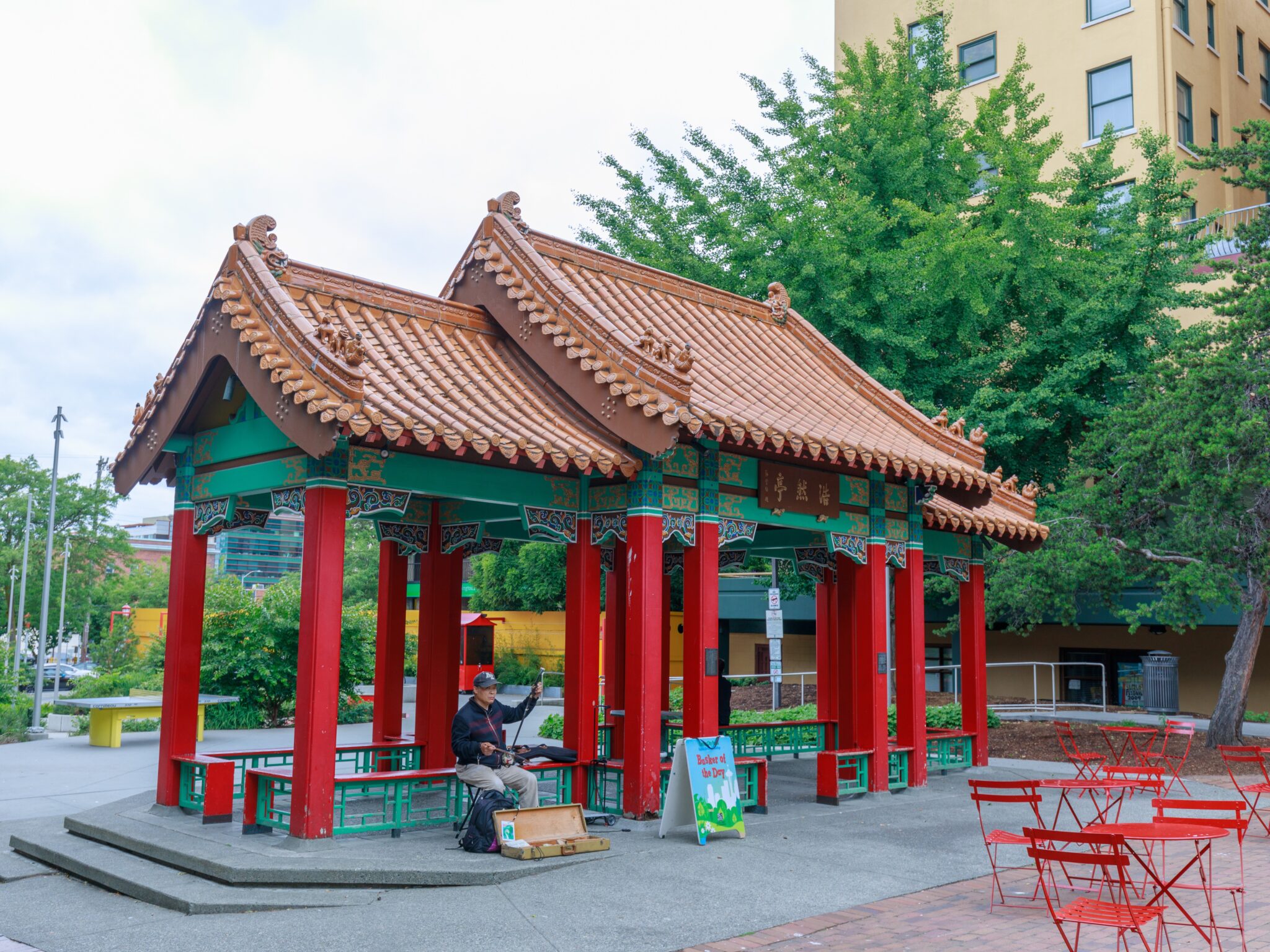
In the Chinatown-International District, the services CIDBIA provides are similar. They also have cleaning crews and security teams out in the neighborhood seven days a week. They host a calendar of signature events, including the Night Market, Lunar New Year, and Food Walks. But with a different neighborhood comes different challenges.
“The C-ID has the highest density of immigrant-owned, family-owned restaurants, which means our challenges are more food-based and around waste,” said Than. “A lot of our sanitation efforts are towards picking up litter, notifying the City of Seattle when the trash bins are full, and finding solutions to lower our waste consumption and make it more sustainable.”
When an organization does a lot for the district, there can be confusion as to what the organization is or what services it provides. Mackay says people often confuse WSJA with the Chamber of Commerce. Than says the word “business” in BIA can be misleading.
“It’s really about making the entire neighborhood and community welcoming and safe for residents, for visitors, and business owners,” she said.
Both say another misconception is how BIAs are funded.
“We’re ratepayer funded,” said Mackay. “BIAs are on the backs of all these small businesses. Every single small business is pitching in so that we can do the work.”
One of the most powerful aspects of Seattle’s BIA network is that it doesn’t require millions of dollars to make a meaningful difference; it’s the community ownership behind it and the focused investment on what matters most to the community. Seattle’s 11 BIAs include urban villages, historic districts, our Downtown core, and emerging corridors, reflecting the diversity of Seattle’s neighborhood business districts. Additionally, the services funded by BIAs layer on top of the City’s services, meaning that BIA neighborhoods can deliver on community needs without the City cutting back on its own investment.
Learn more about Seattle’s BIAs and what business districts can do to form a BIA on our website.